High-volume Zinc Plating (ASTM B633) with Clear, Yellow, and Black chromates. RoHS compliant corrosion protection for fasteners and steel parts.
Zinc Plating
- Appliance
- Architectural
- Automotive
- Adhesion
- Aesthetics
- Conductivity
- Corrosion Resistance
- Copper
- Stainless Steel
- Steel
- Steel Casting

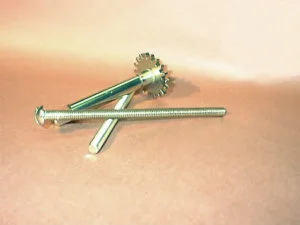
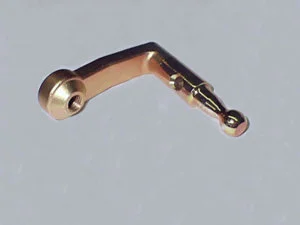
Key Advantages: Cost-Effectiveness and Protection
Zinc is the “budget-friendly” alternative to Cadmium or Stainless Steel for high-volume manufacturing.
Sacrificial Protection: Even if the coating is scratched or dinged, the surrounding zinc continues to protect the exposed steel through a galvanic reaction.
Excellent Paint Base: Zinc-plated surfaces provide a much better “tooth” for paint and powder coatings to stick to than raw steel.
Aesthetic Variety: Depending on the post-treatment, zinc can look like blue-chrome, yellow-gold, or even matte black.
Low Cost: Zinc is an abundant metal and the plating process is highly automated, making it the most economical choice for bulk hardware.
The Role of Supplemental Coatings
Raw zinc is very reactive and will develop “white rust” quickly. To prevent this, zinc plating is almost always followed by a Chromate Conversion Coating:
-
Clear/Blue (Trivalent): Provides a silvery, modern look. It is environmentally friendly (RoHS compliant) and common in the automotive industry.
-
Yellow/Gold (Hexavalent): Traditionally offered better corrosion resistance, though it is being phased out in many regions due to environmental regulations.
-
Black Zinc: Used for aesthetics and light-reflection reduction; it typically offers slightly less corrosion resistance than yellow chromate.
Specifications
|
Specification
|
Comments
|
|---|---|
|
ASTM B 633
|
|
|
Type I
|
As plated, no chromate
|
|
Type II
|
With supplementary chromate treatment
|
|
Type III
|
With supplementary colorless chromate treatment
|
|
Type IV
|
With phosphate conversion treatment. Used to provide a paint base.
|
|
SC 4 (very severe)
|
.0010″
|
|
SC 3 (severe)
|
.00050″
|
|
SC 2 (moderate)
|
.00030″
|
|
SC 1 (mild)
|
.00020″
|
|
Corrosion resistance requirements
|
Type II 96 hours
Type III 12 hours
|
Industry Applications
Zinc is the standard finish for the construction, automotive, and appliance industries:
-
Fasteners: Bolts, nuts, and screws used in indoor and mild outdoor environments are almost always zinc-plated.
-
Automotive Brackets: Under-the-hood components that aren’t exposed to extreme heat but need protection from road salt and humidity.
-
Construction Hardware: Hinges, brackets, and plates used in home building.
-
Retail Displays: Wire shelving and racks often use “bright zinc” for a clean, chrome-like appearance at a fraction of the cost.
Finish Comparison
|
|
Zinc Plating
|
Zinc-Nickel Plating
|
Cadmium Plating
|
|---|---|---|---|
|
Coating Thickness
|
Thin (5–20 µm)
|
Thin (8–15 µm)
|
Thin (5–20 µm)
|
|
Corrosion Defense
|
Moderate
|
Very High (1,000+ hrs)
|
Extreme (Marine)
|
|
Precision
|
High (Good for threads)
|
High (Excellent for threads)
|
N/A (Is SolderHigh
|
|
Appearance
|
Bright / Decorative
|
Semi-bright / Grey / Black
|
Silvery / Yellow
|
|
Environment
|
Indoor / Mild Outdoor
|
Automotive / High-Salt
|
Marine / Aerospace
|
|
Zinc Plating
|
|
|---|---|
|
Coating Thickness
|
Thin (5–20 µm)
|
|
Corrosion Defense
|
Moderate
|
|
Precision
|
High (Good for threads)
|
|
Appearance
|
Bright / Decorative
|
|
Environment
|
Indoor / Mild Outdoor
|
|
Zinc-Nickel Plating
|
|
|---|---|
|
Coating Thickness
|
Thin (8–15 µm)
|
|
Corrosion Defense
|
Very High (1,000+ hrs)
|
|
Precision
|
High (Excellent for threads)
|
|
Appearance
|
Semi-bright / Grey / Black
|
|
Environment
|
Automotive / High-Salt
|
|
Cadmium Plating
|
|
|---|---|
|
Coating Thickness
|
Thin (5–20 µm)
|
|
Corrosion Defense
|
Extreme (Marine)
|
|
Precision
|
N/A (Is SolderHigh
|
|
Appearance
|
Silvery / Yellow
|
|
Environment
|
Indoor / Mild Outdoor
|
Why Choose One Over the Other?
Zinc Plating: The “Industrial” Choice
As noted with automotive brackets and hardware, Zinc is the global standard for general rust protection. It is extremely cost-effective and provides excellent “sacrificial” protection in standard atmospheric conditions. However, in high-moisture or stagnant environments, zinc can develop a bulky, white powdery corrosion product known as “white rust.” To prevent this, it is almost always finished with a chromate conversion coating (Clear, Yellow, or Black).
Best for: Automotive chassis parts, construction fasteners, and indoor/outdoor brackets that do not face extreme salt exposure.
Zinc-Nickel: The “Modern” Choice
Since Cadmium is a toxic carcinogen, many industries are switching to Zinc-Nickel (Zn-Ni) as a safer alternative. Zinc-Nickel bridges the gap: it offers much higher corrosion resistance than standard zinc (often exceeding 1,000 hours of salt spray testing) and provides better thermal stability. It is rapidly becoming the new “Gold Standard” for automotive and aerospace components that need cadmium-level protection without the environmental hazard.
Best for: Engine compartment parts (high heat), electric vehicle components, and modern aerospace fasteners.
Cadmium Plating: The “Marine & Aerospace” Choice
Cadmium is the “ultimate” sacrificial coating for the most punishing environments. Unlike zinc, cadmium is exceptionally resistant to salt-water corrosion and does not produce the bulky white corrosion products that can jam moving parts. It is also naturally “lubricious” (slippery), which prevents galling—the tendency of threaded parts to lock up or seize under high torque. Because it is highly toxic and regulated (RoHS), it is strictly reserved for high-stakes industries.
- Best for: Aircraft landing gear, naval ship hardware, and military parachute buckles where failure or “seizing” is catastrophic.
A Note on Hydrogen Embrittlement
Just like with Nickel and Cadmium, high-strength steel parts (Grade 8 bolts or parts with hardness > HRC 31) are at risk of Hydrogen Embrittlement during the zinc plating process. To prevent catastrophic failure, these parts must be baked in an oven shortly after plating to allow the hydrogen to escape before it becomes trapped in the metal’s grain structure.