MIL-DTL-5541 Chemical Film (Class 1A & 3) for aluminum. Superior corrosion resistance with electrical conductivity.
Chemical Film
Chemical Film (formally known as Chromate Conversion Coating) , commonly known by its trade names Alodine or Iridite, is a chemical conversion coating used specifically for aluminum. Unlike anodizing, which is an electrochemical process that grows a thick oxide layer, Chem Film works by triggering a chemical reaction on the surface of the aluminum, transforming it into a complex metal-chrome mixture. It is governed by the military specification MIL-DTL-5541. It is categorized into two main “Classes”:
-
Class 1A: Designed for maximum corrosion protection. It is typically thicker and has a distinct gold or yellow color.
-
Class 3: Designed for maximum electrical conductivity. It is thinner and used where low electrical resistance is required for grounding or EMI shielding.
- Aerospace
- Electronics
- Adhesion
- Conductivity
- Corrosion Resistance
- Aluminum Alloy
- Aluminum Casting
- Aluminum Forging
- Zinc Die Cast
Key Advantages: Conductivity and Paint Adhesion
Chem Film is often chosen over Anodizing when the part’s function requires more than just surface protection:
Electrical Conductivity: Unlike Anodizing, which is a powerful insulator (non-conductive), Chem Film allows electricity to pass through the surface. This is vital for electronic housings that need to be grounded.
Dimensional Stability: The coating is so thin (measured in angstroms) that it has zero effect on the dimensions of the part. There is no need to account for “buildup” on high-precision threads or bores.
Superior Paint/Primer Base: It provides an excellent “chemical bond” for paints, powder coatings, and adhesives, preventing the “peeling” that often happens on bare aluminum.
Ease of Application: Because it is a dip process that doesn’t require electricity, it can be used for “touch-up” work in the field with a brush or pen.
The Role of Supplemental Coatings
While Chem Film is a finished product in many aerospace applications, it is frequently used as a “pretreatment”:
-
Primer/Topcoat: In the aircraft industry, Chem Film is the standard first layer applied to the entire aluminum skin before the primer and final paint.
-
Masking with Anodize: Engineers often “Dual Finish” a part—anodizing the exterior for wear resistance while applying Chem Film to the interior cavities for electrical grounding.
Specifications
|
Specification
|
Comments
|
|---|---|
|
MIL-C-5541
|
No dimensional change.
|
|
Type I
|
Hexavalent
|
|
Type II
|
Trivalent (ROHS Compliant)
|
|
Class 1A
|
Class 1A is used as a corrosion preventative film (unpainted) or to improve adhesion of paint finish systems.
|
|
Class 3
|
Class 3 is used as a corrosion preventative film for electric and electronic applications, where low resistance contacts are required.
|
Industry Applications
Chem Film is the “silent workhorse” of the aerospace and electronics sectors:
Avionics Boxes: The gold standard for aluminum enclosures that house sensitive flight electronics.
Aircraft Structures: Used on internal ribs, spars, and skins where corrosion protection is needed but the weight and cost of anodizing are unnecessary.
Heat Sinks: Since Chem Film does not significantly interfere with thermal or electrical transfer, it is ideal for aluminum cooling components.
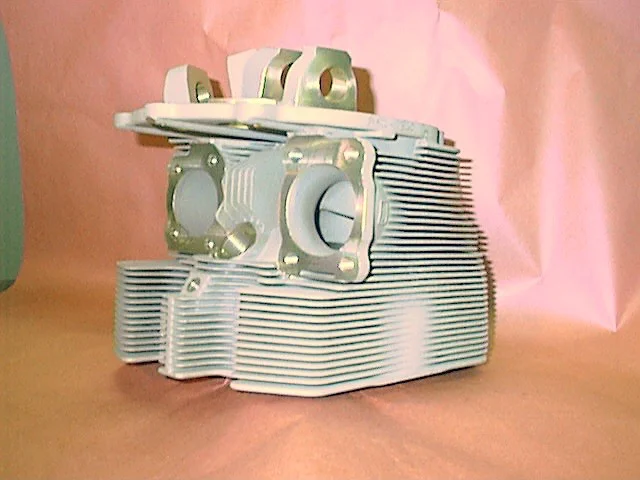
Automotive Engine Components: Used on cast aluminum parts to prevent oxidation in high-moisture environments.
Finish Comparison
|
|
Chem Film (MIL-DTL-5541)
|
Anodizing (Type II)
|
Bright Dip
|
|---|---|---|---|
|
Electrical State
|
Conductive
|
Insulative (Non-conductive)
|
Conductive
|
|
Dimensional Change
|
None
|
Significant (Adds thickness)
|
Minimal (Removes metal)
|
|
Appearance
|
Gold/Yellow or Clear
|
Various Colors (Dye)
|
Mirror-like / Shiny
|
|
Corrosion Defense
|
Good
|
Excellent
|
Poor
|
|
Main Industry
|
Aerospace / Electronics
|
Consumer Goods / Architecture
|
Decorative / Automotive
|
|
Chem Film (MIL-DTL-5541)
|
|
|---|---|
|
Electrical State
|
Conductive
|
|
Dimensional Change
|
None
|
|
Appearance
|
Gold/Yellow or Clear
|
|
Corrosion Defense
|
Good
|
|
Main Industry
|
Aerospace / Electronics
|
|
Anodizing (Type II)
|
|
|---|---|
|
Electrical State
|
Insulative (Non-conductive)
|
|
Dimensional Change
|
Significant (Adds thickness)
|
|
Appearance
|
Various Colors (Dye)
|
|
Corrosion Defense
|
Excellent
|
|
Main Industry
|
Consumer Goods / Architecture
|
|
Bright Dip
|
|
|---|---|
|
Electrical State
|
Conductive
|
|
Dimensional Change
|
Minimal (Removes metal)
|
|
Appearance
|
Mirror-like / Shiny
|
|
Corrosion Defense
|
Poor
|
|
Main Industry
|
Decorative / Automotive
|
Why Choose One Over the Other?
Chem Film (Alodine):
The “Conductive” Choice
As you noted with high-precision parts, Chem Film (also called Alodine or Chromate Conversion) is the go-to for parts that must stay electrically conductive. Unlike anodizing, it is a purely chemical dip that creates a very thin protective film without using electricity. It adds almost zero thickness to the part, making it the “Precision” choice for tight-tolerance aerospace components. It is also the best primer for parts that will eventually be painted.
Best for: Internal electronics housings, heat sinks, and grounding points where you need corrosion protection but must maintain electrical contact.
Anodizing:
The “Protection” Choice
Anodizing is an electrochemical process that “grows” a hard, ceramic-like oxide layer out of the aluminum itself. This layer is an electrical insulator, so it is not suitable for grounding. However, it is incredibly hard and porous before sealing, which allows it to be dyed virtually any color. Because it builds up a measurable thickness (especially Type III Hardcoat), it is the “Armor” choice for parts exposed to heavy wear or harsh weather.
Best for: Consumer electronics (like smartphones), outdoor architectural trim, and high-wear mechanical parts.
Bright Dip:
The “Mirror” Choice
Bright Dip is a specialized chemical polishing process, often performed before anodizing. It uses a specific acid bath to “level” the microscopic peaks and valleys on the aluminum surface, creating an extremely high-luster, reflective finish. It is the chemical version of mechanical buffing. When a Bright Dip is followed by a Clear Anodize, you get a part that looks like polished chrome but has the corrosion resistance of aluminum.
Best for: Automotive trim, light reflectors, picture frames, and high-end appliance handles where a “mirror-like” look is required.
A Note on Hexavalent vs. Trivalent Chromium
Historically, Chem Film used Hexavalent Chromium (the classic gold/yellow look), which is highly effective but toxic. Due to environmental regulations like RoHS, the industry has shifted toward Trivalent Chromium (Type II in the spec). Trivalent coatings are usually clear or “clear-blue” in appearance but offer nearly identical performance to the old gold coatings.